
Adult bears, whether in the wild or in captivity, face a lot of health issues. These can really affect their quality of life and how long they live. osos maduros enfermedad is a serious topic. It’s not just about treating symptoms; it’s about understanding what causes these conditions and how to manage them effectively.
This article gives you the essential information you need. Whether you’re a wildlife conservationist, a zookeeper, or just someone who cares about bears, you’ll find this useful. I’ve based this on expert veterinary advice and the latest research.
So, you can trust that the info here is solid and up-to-date.
Let’s dive in.
Common Health Conditions in Adult Bears
-
Arthritis: This is a big one. Joint pain and inflammation can really affect an adult bear’s quality of life. Symptoms include limping, stiffness, and reluctance to move.
Treatment options range from anti-inflammatory medications to physical therapy.
-
Dental Issues: Tooth decay and gum disease are common in bears. These problems can lead to serious health issues if not treated. Regular dental check-ups and a balanced diet can help prevent these conditions.
-
Obesity: Overweight bears face a lot of health risks. It can lead to heart problems, diabetes, and even arthritis. Managing their weight with a healthy diet and regular exercise is crucial.
Osos maduros enfermedad is a term you might hear, especially in regions where bears are well-studied. It refers to the various health issues that mature bears can face, including the ones mentioned above.
Understanding and managing these conditions can make a huge difference in the life of an adult bear.
Nutritional Needs and Diet-Related Conditions
When it comes to the health of adult bears, a balanced diet is key. Essential nutrients like proteins, fats, and carbohydrates are crucial for maintaining optimal health.
- Proteins – for muscle repair and growth
- Fats – for energy and insulation
- Carbohydrates – for quick energy
Malnutrition can be a serious issue. Symptoms include weight loss, lethargy, and poor coat condition. Long-term effects can be severe, leading to organ damage and even death.
Ensuring a balanced diet is the best way to prevent this.
Food allergies and intolerances in bears can be tricky. Identifying them often requires some trial and error. Common signs include digestive issues and skin irritations.
Managing these conditions involves eliminating the problematic foods and finding suitable alternatives. It’s not always easy, but it’s essential for their well-being.
One condition that’s particularly concerning is osos maduros enfermedad. There’s a lot of debate around its exact causes and treatments. If you suspect your bear has this, it’s best to consult a vet.
They can provide more specific guidance based on the latest research.
Remember, every bear is different. What works for one might not work for another. Always keep an open mind and be ready to adjust their diet as needed.
Parasites and Infectious Diseases
Internal parasites can be a real headache for your pets. Types like roundworms, hookworms, and tapeworms can cause symptoms such as weight loss, diarrhea, and lethargy. Effective treatment methods include deworming medications and regular vet check-ups.
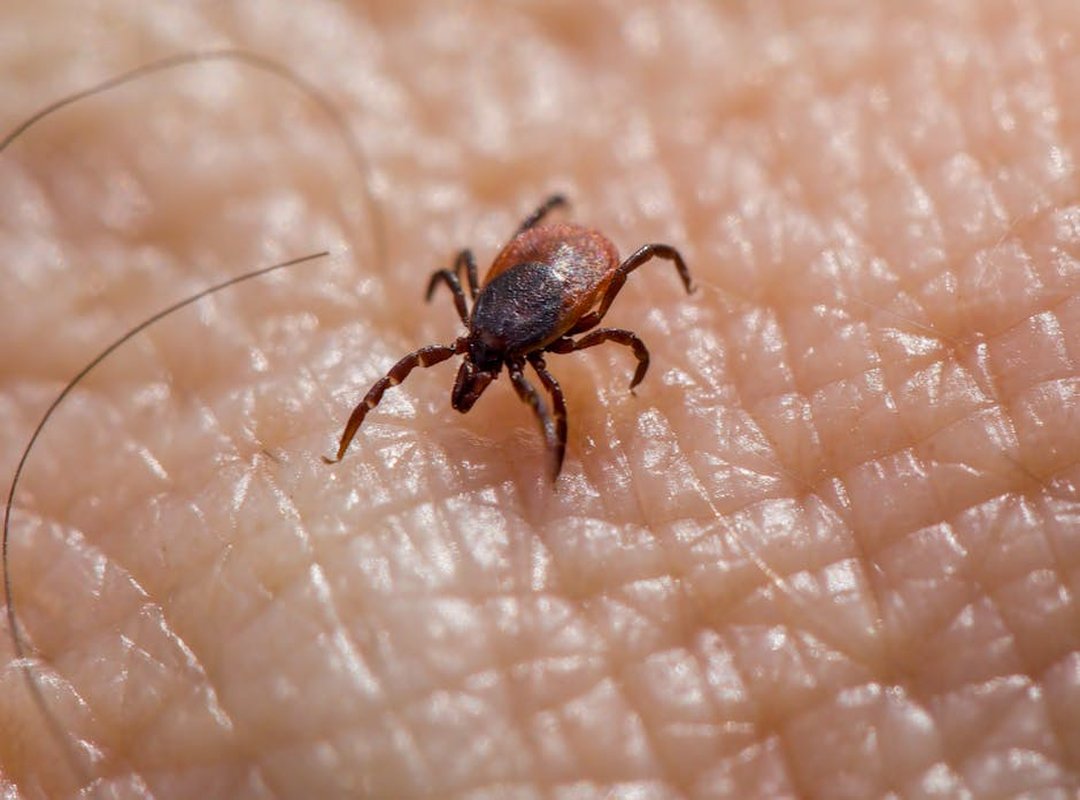
External parasites are just as troublesome. Ticks and mites, for example, can lead to skin irritation and even transmit diseases. Controlling them involves using preventive treatments and keeping your pet’s environment clean.
- Regularly check your pet for signs of external parasites.
- Use vet-recommended preventive treatments.
- Keep your pet’s living area clean and free from infestations.
Infectious diseases can spread quickly and affect your pet’s health. Common ones like parvovirus, distemper, and osos maduros enfermedad can be transmitted through contact with infected animals or contaminated environments. Preventive measures include vaccinations, good hygiene, and avoiding exposure to sick animals.
Knowing how to identify and treat these issues can make a huge difference in your pet’s well-being. It’s all about keeping them healthy and happy. And if you’re looking for some uplifting stories, check out these heartwarming pet adoption tales that might just inspire you.
Stress and Anxiety
Stress and anxiety in adult bears can be a real issue. Osos maduros enfermedad is a term you might hear, but it’s not just about physical health.
Causes of Stress and Anxiety
Bears face a lot of stressors in their environment. Changes in habitat, human encroachment, and food scarcity are big ones. Some people argue that wild animals are resilient and can handle these pressures.
Sure, they’re tough, but even the strongest creatures can break under constant stress.
Creating a Stress-Free Environment
Creating a stress-free environment for bears isn’t easy, but it’s essential. One way is to minimize human interaction. But here’s the catch: some folks think that regular human contact can help bears adapt.
That’s a risky assumption. Too much human interaction can confuse and stress them out.
Behavioral Problems
Behavioral issues in bears can range from aggression to withdrawal. These problems often stem from stress and anxiety. Some argue that these behaviors are just part of being a bear.
While that’s true to an extent, we can still help by understanding and addressing the root causes.
Strategies for Behavior Modification and Training
Behavior modification and training can make a big difference. Positive reinforcement, like rewarding good behavior with treats or praise, works well. But here’s the counterpoint: some say that wild animals should be left alone.
They believe that any form of training is unnatural. I get where they’re coming from, but if we’re going to keep bears in captivity, we owe it to them to make their lives as comfortable as possible.
By addressing these concerns, we can help ensure that bears live healthier, happier lives.
Preventive Care and Regular Check-Ups
Regular veterinary visits are a must. They help catch issues early, saving you and your pet a lot of trouble later.
What to expect during a check-up? The vet will do a thorough physical exam, checking for any signs of illness or discomfort. They might also recommend some tests, like blood work, to get a better picture of your pet’s health.
Vaccinations are another key part of preventive care. For adult bears, there are specific vaccinations that are recommended. These include vaccines for common diseases that can affect them.
The schedule for these vaccinations can vary, so it’s best to consult with your vet. They’ll give you a clear plan based on your bear’s age and health.
One thing to keep in mind: osos maduros enfermedad. This is a condition that can affect older bears, and regular check-ups can help in early detection and management.
If you’re wondering about the cost, it’s worth noting that preventive care often ends up being more affordable than treating serious illnesses down the line. So, it’s a smart investment in your pet’s long-term health.
Stay proactive. Regular check-ups and timely vaccinations can make a big difference.
Ensuring the Longevity and Well-Being of Adult Bears
The article discusses several key health conditions that can affect osos maduros enfermedad. Regular veterinary check-ups are crucial to detect and manage these conditions early. A balanced diet, rich in essential nutrients, supports their overall health.
Creating a stress-free environment is also vital. This includes providing adequate space, enrichment activities, and minimizing exposure to loud noises or other stressors.
Stay informed about the specific needs of adult bears. Seek professional veterinary advice to ensure they receive the best possible care.