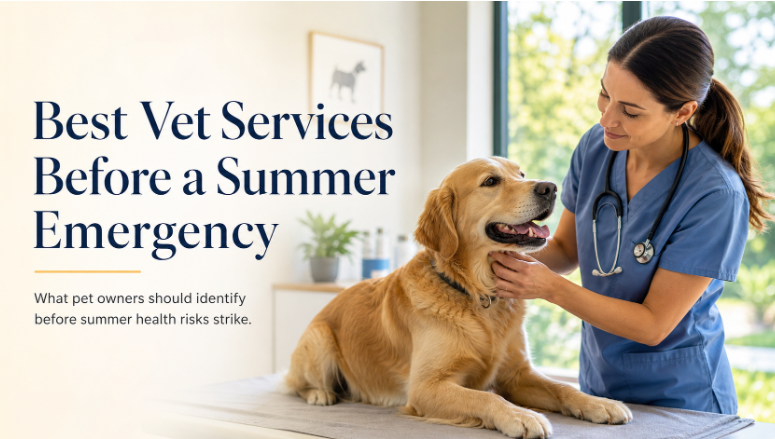
May is the National Pet Month, and also the start of summer months ahead of us.
And we all know summer in the city tends to move faster than expected. Heat climbs before you notice it, outdoor time increases, and your pet is exposed to more people, surfaces, and situations than any other season.
Most of the time, everything is fine.
Then a Saturday afternoon arrives and you are searching for a vet because your dog has not stopped panting for thirty minutes, or your cat refused water all day.
According to veterinary insurance data from Trupanion, heatstroke-related claims rise by nearly 300% during summer months compared to the rest of the year, with July consistently recording the highest volume.
Dehydration and paw pad burn claims follow similar seasonal spikes.
The difference between a manageable summer health issue and a critical one often comes down to preparation: knowing which clinic handles which type of care before you need them.
Below is a service-by-service breakdown of what to look for, with specific clinic recommendations organized by category and region.
1. Same-day urgent and primary care
Heat exhaustion, sudden vomiting, minor wounds from outdoor activity, and GI issues from park ingestions can all arrive on a Sunday or a holiday weekend.
Clinics offering same-day urgent care alongside primary services bridge the gap between your regular vet and a full 24/7 emergency hospital.
According to vets at Sploot animal hospital Denver, CO for urgent care, summer is consistently one of their busiest walk-in periods, with heatstroke, dehydration, and GI presentations making up a significant share of urgent visits during June, July, and August.
Clinic recommendations serving best in the business:
- Sploot Veterinary Care: Denver, CO (10 metro locations); Primary + urgent care under one roof. Open 8 AM–8 PM, 365 days a year. Same-day drop-in available. In-house diagnostics.
- VCA Animal Hospitals Urgent Care Los Angeles, CA; Dedicated urgent care (non-emergency). Virtual waiting room, walk-ins welcome, 7 days a week.
- Banfield Pet Hospital: Preventive-focused primary care. Same-day and drop-off appointments available.
2. Heatstroke assessment and treatment
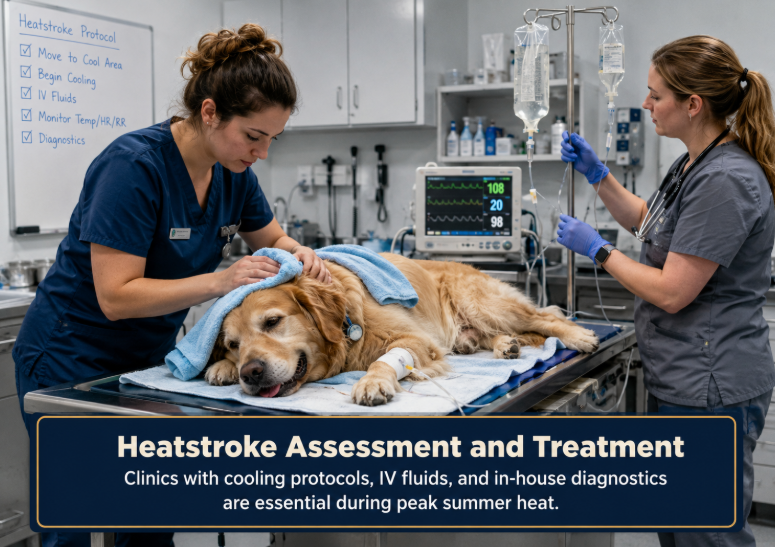
Heatstroke occurs when a pet’s body temperature rises above 104°F and their natural cooling system can no longer compensate.
Dogs cool primarily through panting; cats through limited grooming and shade-seeking.
Both can overheat rapidly when those mechanisms are overwhelmed by urban heat, humidity, hot pavement, or a parked car.
According to Michigan State University’s College of Veterinary Medicine, heat stroke signs in pets can include excessive panting, drooling, rapid heart rate, and fatigue, and can escalate to organ damage, seizures, or death without prompt veterinary intervention.
A clinic suited for heatstroke management should be able to provide active cooling protocols, IV fluid therapy for temperature regulation and dehydration, and diagnostic bloodwork to assess organ function.
For cases that have progressed to critical status, a 24/7 emergency hospital with continuous monitoring capability is the appropriate destination.
Clinic recommendations:
- VCA Animal Hospitals: Teletriage by phone to help assess severity before arrival.
- Sploot Veterinary Care: In-house diagnostics, IV fluids, and extended hours for early heat stroke intervention.
- MedVet: 24/7 emergency and specialty care. Level I Veterinary Trauma Center status at select locations (including Chicago). Advanced critical care capability.
3. Parasite prevention and seasonal wellness
Summer is the peak season for fleas, ticks, and mosquitoes, all of which can transmit conditions including Lyme disease, ehrlichiosis, and heartworm to dogs and cats.
City pets are not exempt: dog parks, outdoor seating areas, green spaces, and travel to suburban or rural areas all increase exposure meaningfully during warmer months.
A pre-summer wellness visit gives a veterinarian the opportunity to confirm current parasite prevention, update seasonal vaccines (leptospirosis and Bordetella are particularly relevant for dogs with regular park or boarding exposure), and establish a health baseline before outdoor activity intensifies.
This kind of early-season check is one of the most straightforward ways to reduce the likelihood of a summer urgent care visit.
Clinic recommendations
- Local AAHA-accredited practices: Searchable by city at aaha.org/find-a-hospital Accredited against rigorous veterinary standards. Good option for relationship-based primary care with consistent quality benchmarks.
- Thrive Pet Healthcare: Nationwide network: Wellness exams, vaccines, parasite prevention, and primary care through a broad network of local veterinary practices.
4. Wound care and trauma assessment
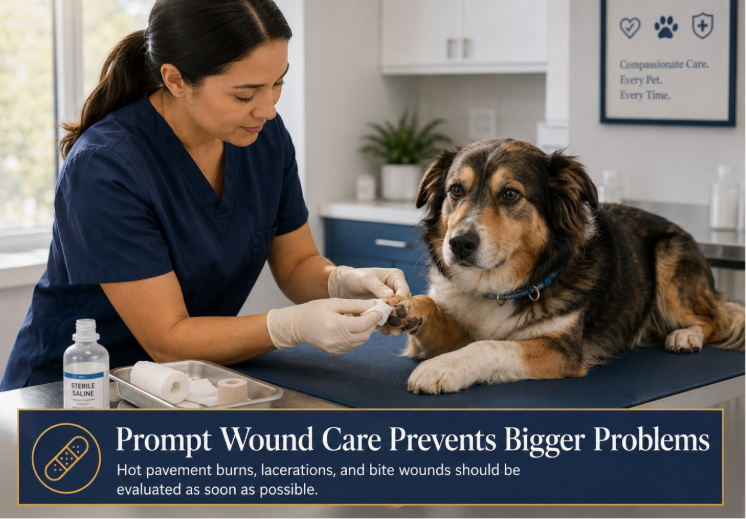
Summer increases the number of hours pets spend outdoors, and with that comes a higher likelihood of cuts from urban debris, paw pad burns from hot pavement, bite wounds from encounters with other animals, and injuries from off-leash activity.
Many of these wounds appear minor initially but can conceal deeper damage, harbor bacteria, or require closure that is not safely managed at home.
The AAHA notes that visible bleeding or known trauma, even in a pet that appears to be acting normally, warrants prompt veterinary evaluation.
Internal injury and shock do not always present obvious symptoms immediately, particularly in animals that tend to mask pain responses.
For city pet owners, having an identified clinic for same-day wound assessment can prevent a treatable injury from becoming a complicated one.
Clinic recommendations
- BluePearl Pet Hospital: Serious wounds, deep bites, trauma, bleeding, collapse, suspected internal injury, or injuries requiring emergency/specialty support.
- Sploot Vet care: Same-day wound checks, minor injury assessment, diagnostics, and urgent care support for stable pets.
5. GI assessment for summer food and toxin exposure
Summer gatherings, outdoor dining, and increased access to gardens, compost bins, and landscaping chemicals all raise the likelihood of a pet ingesting something it should not.
City-specific risks include discarded food from outdoor restaurants, park wildlife encounters, and seasonal access to plants and mulches that can cause GI distress.
Common summer hazards include corn cobs (a frequent obstruction cause), stone fruit pits, skewers, grilling residue, xylitol-containing products, certain fertilizers, and insecticides.
Isolated vomiting followed by normal energy may resolve without intervention.
Repeated vomiting, a distended abdomen, lethargy, or any suspected foreign body or toxin ingestion should prompt a same-day call to your veterinarian.
For suspected toxin exposures, the ASPCA Animal Poison Control Center (888-426-4435) provides 24/7 phone triage. A consultation fee may apply; confirm with ASPCA before calling.
Clinic recommendations
- ASPCA Animal Poison Control Center: Nationwide phone triage (888-426-4435): 24/7 toxin ingestion guidance before attempting any home treatment. Best included as a support resource, not a clinic.
6. Fear-free and low-stress handling
Summer travel, boarding, dog park socialization, and increased frequency of outdoor exposure can heighten anxiety in pets who are already sensitive to environmental change.
A pet that is highly stressed during a veterinary visit is harder to examine accurately, more likely to mask pain responses, and more likely to resist necessary follow-up care.
Fear Free certified practices are trained in modified handling techniques, low-stimulation exam environments, and other approaches designed to reduce the emotional stress of veterinary visits.
For city-based pet owners whose pets encounter multiple stressors during summer months, choosing a low-stress clinic is a clinical decision that affects the reliability of examination findings, not just a comfort preference.
Clinic recommendations
- Fear Free certified practices: Nationwide directory: Best national recommendation for anxious pets; owners can search by city for certified professionals.
- Local AAHA-accredited practices: Nationwide directory: Good option for owners who want patient-centered primary care standards and more consistent handling protocols.
7. Dental evaluation and oral health
Dental disease is among the most common and consistently underestimated health conditions in dogs and cats.
By age three, the majority of companion animals show some degree of periodontal disease, often without any obvious symptoms visible at home.
Untreated dental disease can cause pain, tooth loss, and in some cases systemic effects involving the kidneys, liver, or heart.
Summer wellness visits, particularly ahead of boarding or travel when owners want their pet in good health, are a practical time to request a dental evaluation.
A veterinarian can identify whether professional cleaning under anesthesia is warranted, provide guidance on home dental care (brushing technique, appropriate chews, and rinses), and flag any oral health concerns before they progress.
Clinic recommendations
-
- MedVet Dentistry & Oral Surgery: Complex dental cases, oral surgery, tooth fractures, jaw abnormalities, and specialty referral cases. MedVet lists dentistry and oral surgery among its specialty services.
- Sploot Veterinary Care: Dental evaluation as part of routine wellness visits. Professional cleaning under anesthesia available. Same-day wellness appointments.
A practical note before summer begins
The most actionable thing any city-based pet owner can do right now is identify one clinic per category in their area and save the contact information before a problem arises.
The list does not need to be long: a same-day urgent care option, a 24/7 emergency backup for critical cases, and a primary care provider for wellness visits will cover the majority of summer scenarios.
Every pet’s needs are different, and the best guidance will always come from a veterinarian who knows your individual animal.
But having your options identified and your contacts saved before the season begins is one of the simplest and most effective forms of summer preparedness a pet owner can build.