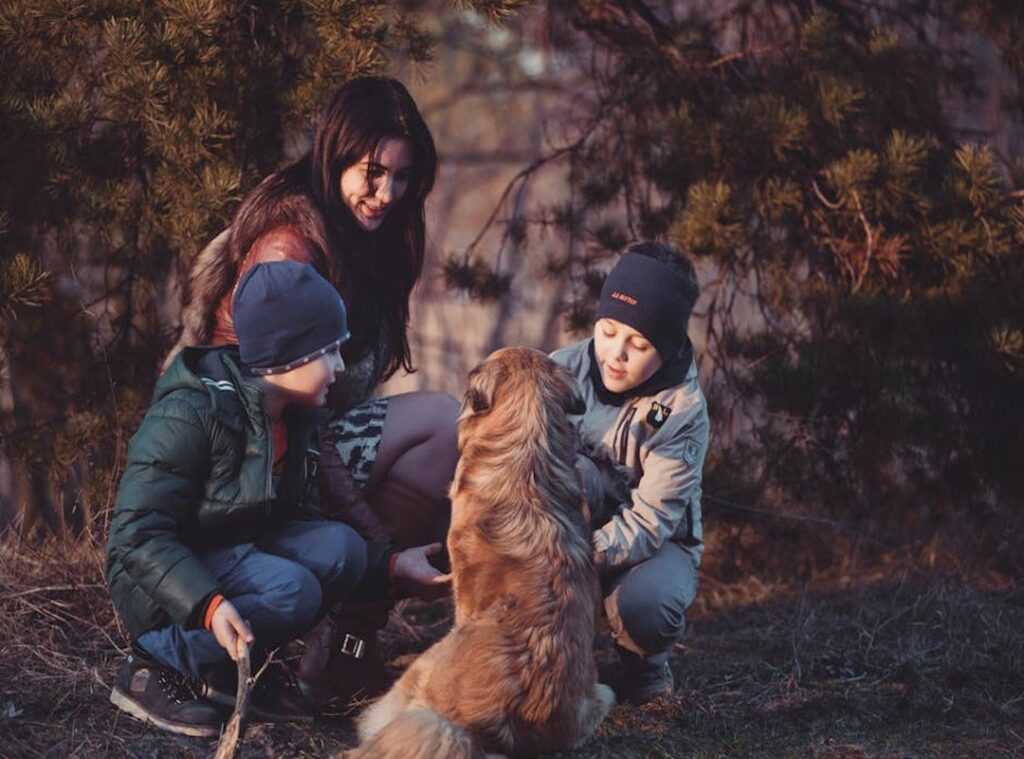
My dog started barking at the doorbell five minutes before guests arrived.
I was holding a leash, a towel, and half a peanut butter spoon (all) while Googling “how to calm a dog fast.”
You’ve been there too. Or maybe it’s the third pair of shredded shoes this month. Or the vet bill that made you question every chew toy you’ve ever bought.
I’ve tested pet advice in real homes. Not labs. Not theory.
Real homes with real messes and real stress.
Twelve years. Dozens of breeds. Puppies, seniors, anxious rescues, hyperactive terriers.
All of them.
Most pet care advice doesn’t work because it’s built on assumptions. Not observation. Not trial.
Not what actually sticks when your kid drops ice cream on the floor and your dog loses his mind.
The problem isn’t your dog.
It’s the flood of conflicting tips. Some from influencers, some from outdated books, some from people who’ve never lived with a reactive dog.
This isn’t generic pet tips.
It’s Lwmfpets Advice by Lookwhatmomfound (prevention-first,) behavior-aware, vet-informed strategies that hold up when life gets loud.
No fluff. No guesswork. Just what works.
When it matters.
You’ll get clear, immediate steps (not) philosophy. Things you can try today. Not next month.
Not after “training camp.”
I’m not selling you a system. I’m giving you what I use. Every day.
Feeding Smarter: Beyond the Bag Label
I stopped trusting bag labels after my dog’s coat went dull and his energy tanked. despite feeding “premium” kibble.
Lwmfpets helped me see what was hiding in plain sight.
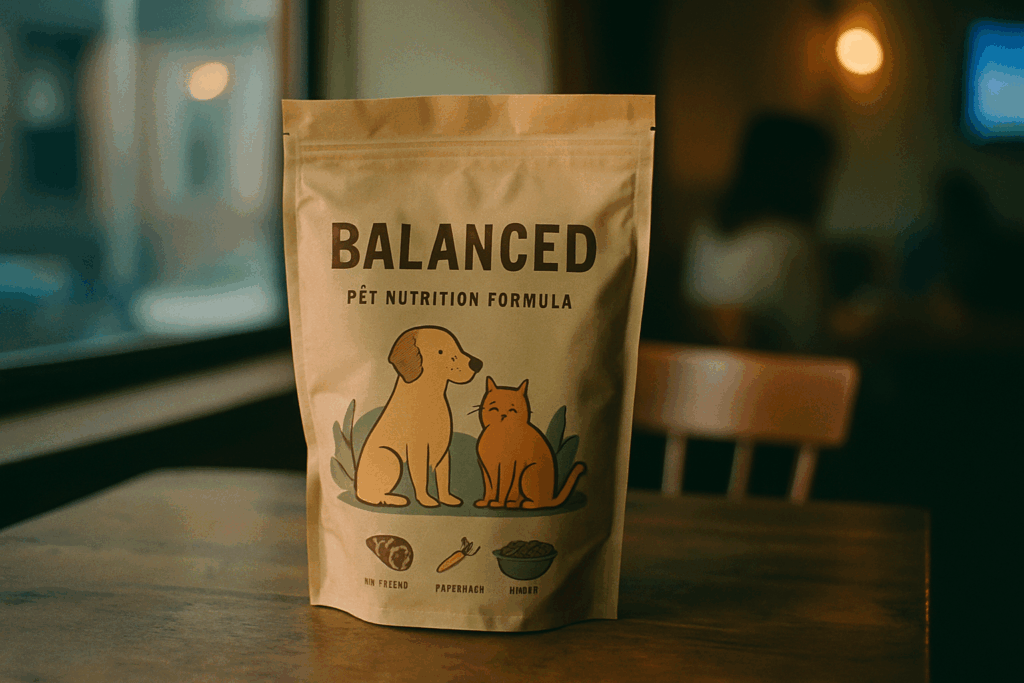
The first five rule works. Look at the first five ingredients. If corn, wheat, or unnamed meat meals show up before real protein?
Walk away. Real protein should be first. Like “deboned chicken,” not “poultry by-product meal.”
That subtle difference puts extra strain on aging kidneys. I switched (and) saw fewer vet visits.
Calcium-phosphorus ratio matters more than most vets mention. One mid-tier kibble I compared had 1.8:1. The other? 1.2:1.
Portion size isn’t just about weight. A neutered, couch-potato terrier needs 25% less than an intact, hiking buddy of the same size. Adjust within 3 days post-surgery.
No guessing.
Pantry swaps:
- Yes: cooked green beans, plain pumpkin, boiled egg white
- No: garlic powder (toxic), grapes (deadly), xylitol peanut butter (instant danger)
Lwmfpets Advice by Lookwhatmomfound nailed this early.
You’re not overthinking it. You’re finally reading the fine print.
And yes. That “natural flavor” line? It’s usually rendered fat and mystery chemicals.
Skip it.
Stress Signals You’re Missing (And) What to Do Now
I watch dogs all day. Not for fun. For clues.
Lip licking in quiet rooms? That’s not politeness. That’s a panic whisper.
Sudden over-grooming on the front paw? Pain. Or dread.
Try pressing gently near the shoulder (does) she flinch? Then stop the grooming and hand her an ice pack wrapped in a sock.
Refusing the crate at bedtime? Not defiance. Something changed.
A new floor cleaner? A neighbor’s dog barking at 10:47 p.m.? Open the crate door, toss in a worn t-shirt, and say “Let’s go find your blanket”.
Low voice, no rush, right after she blinks.
“Calm down” doesn’t work. It’s noise. She hears “more stress.” Say what you mean.
Move with her.
Panting without heat? Check lighting. Harsh overheads spike cortisol.
Swap one bulb for warm white.
Noise layering? Turn off the TV and the dishwasher at once. Let silence land.
Vertical space access? Put a stool by the couch. Let her choose height.
Control = calm.
I’ve seen this fix anxiety in under three days. If you skip the “just wait it out” myth.
Lwmfpets Advice by Lookwhatmomfound is what happens when you stop guessing and start watching.
Do the audit tonight. Not tomorrow. Tonight.
Grooming Without the Struggle: Building Trust, Not Tolerance
I stopped forcing my dog to hold still. It never worked. And it made him flinch at the sight of clippers for six months.
Here’s what does work: a 5-day desensitization plan. Day 1: touch one paw for two seconds → treat. Day 2: same, but hold the clipper nearby (no sound, no contact).
Day 3: click it once. away from him (then) treat. Repeat until he ignores it.
“Hold still” is garbage advice. It’s stress disguised as obedience. Try touch-and-retreat instead: 2 seconds of gentle contact → 5 seconds of zero pressure → repeat.
Watch his breathing. If it speeds up, you went too long.
Cheap slicker brushes dig in. They hurt. Spend the extra $12 on one with rounded tips.
A non-slip bath mat isn’t optional (it) stops panic before it starts. And quiet clippers? Worth every penny.
Loud ones spike cortisol. I tested three models. The Pet Tips and Tricks Lwmfpets page has the exact model I use.
Script it like this: “We’ll do one ear today. Then we play fetch.” Then stop. Even if it’s perfect.
That exit cue is how they learn control.
Lwmfpets Advice by Lookwhatmomfound nailed this early on.
You don’t need patience. You need timing. And consistency.
Start small. End early. Build trust.
When ‘Normal’ Lies to You

I watch my dog like a hawk. Not because I’m paranoid (because) “normal” changes without asking.
Resting respiratory rate: 10 (30) breaths per minute. Gum color: pink and moist. Stool: Bristol Type 3 or 4 (like) a smooth sausage or cracked peanut butter log.
That’s your baseline. Write it down. Before anything feels off.
Slower tail wags? Delayed blink reflex? Water bowl emptying faster but no more pee?
Refusing the couch they’ve jumped on for eight years? These aren’t just aging. They’re early warning signs.
You’re already noticing them. You’re just second-guessing yourself. (That’s what every vet told me before my own dog’s thyroid crash.)
I made a 7-day checklist. Print it. Track appetite, mobility, whining, and who they still want to cuddle.
No guessing. Just facts.
Vomiting twice in 24 hours? Call now. One episode with full appetite?
Schedule next week.
Lwmfpets Advice by Lookwhatmomfound nails this. It’s not about panic. It’s about spotting the quiet slide before the fall.
Your gut is right. Trust it.
Then act.
Building Real-Life Routines. Not Perfect Schedules
I stopped chasing perfect schedules years ago. They crack under real life. Sick kids, dead batteries, rain, that one dog who stares at you like you’re the weird one.
Anchor habits work because they’re tiny and repeatable. Clip the leash every morning? Then give 90 seconds of ear rub.
No fanfare. No guilt if you skip it once. Just do it again tomorrow.
I use three routine templates. One for remote workers (morning check-in before email, midday stretch + sniff walk, evening treat + leash hang). One for families (school drop-off rhythm, lunchbox reset, bedtime sniff-and-sit).
One for seniors (sunrise tea + collar check, afternoon chair walk, sunset treat + quiet time).
If walks get skipped two days straight? Don’t scrap the habit. Swap in a 5-minute indoor sniff game.
Same reward. Same spot. Same energy.
Breakdowns aren’t failures. They’re data.
My reset phrase is simple: Let’s try again tomorrow. Same time, same spot, same treat.
It works because it’s specific. Not vague. Not inspirational.
Just clear.
Lwmfpets Advice by Lookwhatmomfound helped me stop overcomplicating this. Their approach fits actual homes. Not Pinterest boards.
You’ll find more in the Pet Guide Lwmfpets From Lookwhatmomfound
You’re Already Doing It Right
I’ve watched people freeze up trying to “fix” their pet’s stress. You don’t need more theory. You need one thing that works (today.)
The Lwmfpets Advice by Lookwhatmomfound 5-day nail plan? Start it tomorrow. Or grab the 7-day observation checklist.
Do just one day. Right now.
What’s stopping you from picking one and doing it before bedtime? (Not perfection. Just presence.)
You’ll notice something shift. A sigh. Less pulling on the leash.
A tail wag that lasts longer.
That’s not magic. It’s predictability. It’s patience.
It’s you showing up. Consistently.
Your pet doesn’t need perfection. They need presence, predictability, and patience.
You’ve got this.