
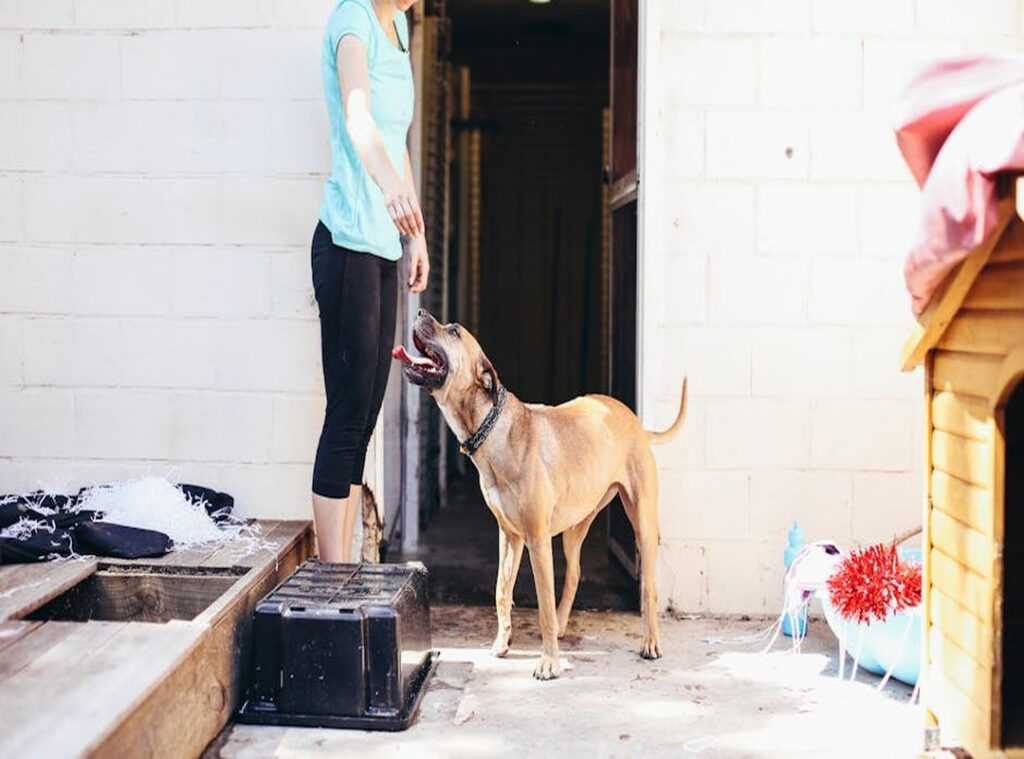
You just yelled at your dog again.
And now you feel awful.
I know that sinking feeling when your pet does something frustrating. Barks at the mailman, chews your favorite shoes, pees on the rug (and) you have no idea what to do next.
Most training advice is either too vague or too harsh. Neither helps.
This isn’t about dominance or punishment. It’s about connection. And it works.
I’ve used these methods with dozens of dogs and cats. No treats required, no yelling needed.
Every plan here is backed by animal behavior science. Not opinion. Not trends.
Training Pets Lwmfpets means solving real problems (fast.)
You’ll walk away with three clear steps you can start tonight.
No theory. No fluff.
Just what works.
The Foundation: Behavior Is Language
I used to think my dog was “bad” when he chewed the couch.
Then I watched him. And I asked: What is he actually trying to say?
Most unwanted behaviors aren’t defiance. They’re communication.
Boredom. Fear. Confusion.
Pain. These are the real drivers (not) spite or rebellion.
You’ve seen it: the pacing before thunder, the barking at 3 a.m., the sudden nipping during nail trims.
That’s not “bad behavior.” That’s your pet shouting in a language you haven’t learned yet.
Here’s what usually causes it:
- Too much energy with nowhere to go
- Anxiety or fear they can’t escape
3.
Rules that change every day (or don’t exist)
- A medical issue no one checked for
Before you grab a spray bottle or sign up for another obedience class. Pause.
Do a 48-hour behavior audit. When does it happen? What happens right before?
What does their body look like. Tail low, ears back, panting, stiffening?
You’ll spot patterns fast.
And that’s where real progress starts.
Because if you treat the symptom without knowing the cause, you’re just rearranging deck chairs on the Titanic.
That’s why this article focuses on root-cause work. Not quick fixes.
Training Pets Lwmfpets means listening first. Responding second.
You wouldn’t ignore a crying baby and call them “difficult.” So why do it to your dog?
Start there. Everything else follows.
Your Core Toolkit: Positive Reinforcement, Not Punishment
Positive reinforcement means giving something good right after a behavior you like (so) that behavior happens more.
It’s not bribery. It’s science.
Punishment-based training? I tried it once with my neighbor’s terrier. He stopped jumping.
But also stopped making eye contact. That’s not training. That’s fear management.
You want trust. You want speed. You want reliability.
So here’s what actually works.
Clicker training starts with charging the clicker. You click (then) treat. Click (then) treat.
Ten times. Twenty. Until your dog’s ears perk up at the sound.
That click is a promise. A tiny, precise yes in time.
Lure-and-reward is simpler than it sounds. Hold a piece of chicken near your dog’s nose. Lift it up.
Their head follows. Their butt drops. Click. Treat.
Repeat until they sit before you even lift your hand.
Capturing behavior is my favorite. You wait. Watch.
The second your dog lies down on their bed (click.) Treat. No luring. No pressure.
Just timing and attention.
Rewards matter. A lot.
Basic kibble? Fine for easy stuff. But for hard tasks (like) staying calm during fireworks.
You need high-value rewards.
Think: shredded chicken breast. Tiny cubes of cheddar. A squeaky hedgehog toy they only get during training.
Why? Because dopamine hits harder when the reward surprises them. And surprise keeps focus sharp.
I’ve seen dogs learn “leave it” in under three days using chicken instead of kibble. Same dog. Same trainer.
Different reward.
Training Pets Lwmfpets isn’t about control. It’s about connection you can feel. In the wag, the eye contact, the way they choose to stay close.
Start small. Be consistent. Stop when they’re still eager.
And skip the choke chain. Seriously. (It leaves marks (physical) and otherwise.)
Fixing Real Problems: Not Theory
Excessive barking? I’ve seen it wreck a neighbor relationship in under a week.
Block the trigger first. Close the blinds. Move the crate away from the window.
Don’t wait for “training” to fix what you can remove right now.
Then teach quiet. Say the word once, wait two seconds, and click-treat the second they stop. No yelling.
No repeating. Just silence → reward. It works faster than you think.
Quiet is a behavior you shape (not) a command you bark.
I covered this topic over in this resource.
Leash pulling? Stop pretending your dog will “grow out of it.”
You become a tree. Every time the leash goes tight (you) freeze. No yanking.
No sighing. Just stand there like you forgot how to walk.
When the leash loosens. Even for half a second. You mark it (yes or click) and feed.
Do this 20 times in one block. Your arm will hurt. Your dog will learn.
Potty training accidents? Punishment doesn’t teach squat.
Go outside with them every 90 minutes. Set alarms if you have to. When they go, you celebrate like they just won the Super Bowl.
High-value treats. Big voice. Happy dance.
If they pee inside? You clean it (no) drama, no rubbing their nose. Because shame doesn’t map to bladder control.
And if your dog spends serious time outdoors (especially) in variable weather or terrain (check) out Outdoor Pets Lwmfpets for gear that actually holds up.
Training Pets Lwmfpets isn’t magic. It’s consistency. Repetition.
I covered this topic over in Pet tips and tricks lwmfpets.
And knowing when to shut up and let the dog figure it out.
You don’t need more tools. You need fewer mistakes.
Start with one problem. Nail it. Then move on.
What’s the first thing you’ll change tomorrow?
When to Call a Pro: Dog Training Reality Check
Some behaviors aren’t fixed with treats and patience.
I’ve seen it too many times.
If your dog has bit before, guards food or toys aggressively, or panics the second you pick up your keys (stop) Googling.
That’s not “just training.” That’s a signal.
Ask yourself:
Is my dog shutting down or snapping? Am I afraid to reach for their collar? Do I avoid guests because of what might happen?
If yes. Call a professional. Not tomorrow.
Today.
Skip anyone who talks about “dominance” or uses prong collars. Look for CPDT-KA or KPA CTP certifications. Ask: What do you do if my dog growls during a session? Their answer tells you everything.
This isn’t failure. It’s respect (for) your dog, and for yourself. For more practical guidance on handling tough behaviors, read more in this guide.
Training Pets Lwmfpets starts with knowing your limits.
Your Pet Is Waiting for This Shift
You’re tired of the stress. The chewing. The barking at 5 a.m.
The guilt when you snap.
I’ve been there. You don’t need more tricks. You need to know why it’s happening.
And then act, calmly and consistently.
That’s what Training Pets Lwmfpets is built on. Not force. Not confusion.
Just clear cause-and-effect and repetition.
Pick one issue from this guide. Just one.
For the next three days, spend five minutes. Twice a day (doing) exactly what it says.
No extra gear. No expensive classes. Just you, your pet, and three days of real attention.
Three days is enough to break the old pattern. Enough to see the first softening in their eyes.
You’ll feel it. They’ll feel it.
This isn’t about perfection. It’s about showing up (and) sticking with it.
Your pet already trusts you more than you think.
Prove them right.
Start today.