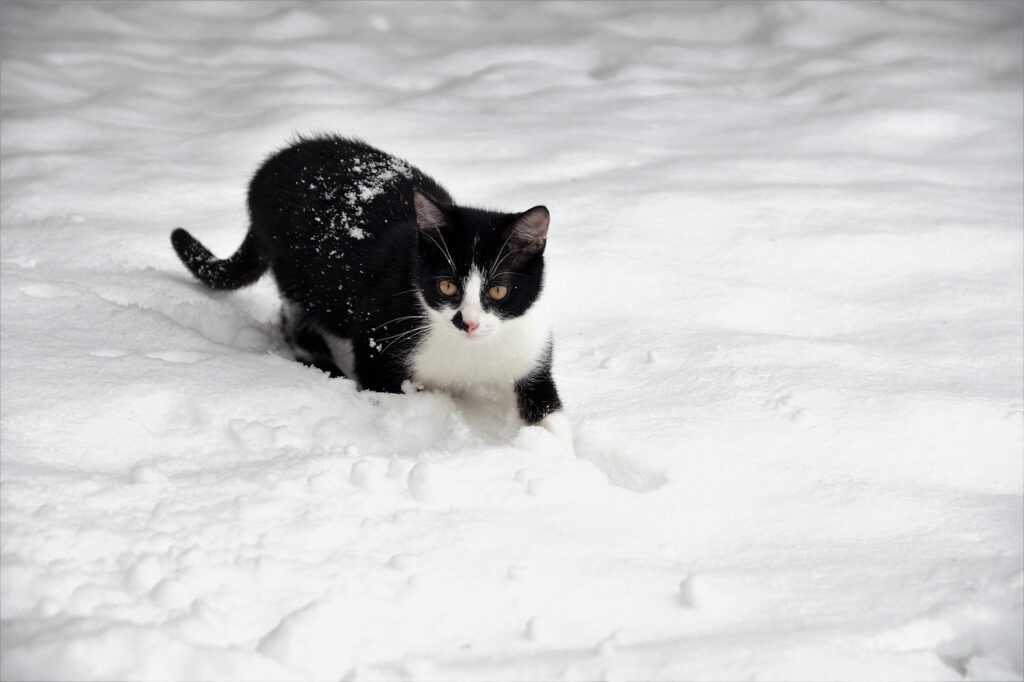
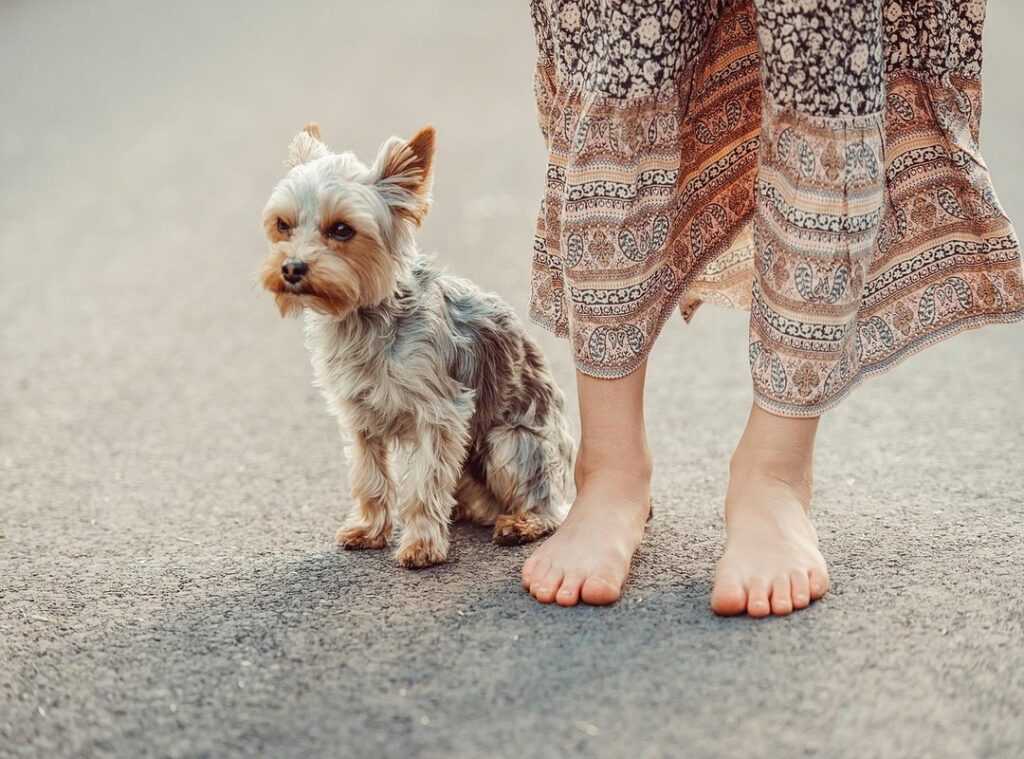
You’ve seen it. Your dog charging through rain-slicked trails, tail whipping side to side. Or your cat stretched across a sun-warmed patio, ears twitching at every rustle.
Then. thud. The leash snaps. The collar fades to chalky pink after two months.
The water bowl tips over on uneven ground.
Are your supplies keeping up?
Most outdoor pet gear doesn’t last past the first real test. Slips on wet grass. Cracks in cold air.
Fades under UV like it’s made of tissue paper.
I’ve tested gear in mud, snow, desert heat, and coastal salt spray. Not in a lab. Not off a spec sheet.
Out there (where) pets actually live.
This isn’t about cute accessories that look good in photos.
It’s about what holds up when your dog pulls hard, your cat climbs high, or the weather turns sideways.
You want Outdoor Pets Lwmfpets that work. Not just sit pretty.
I’ll show you exactly which items survive real use. Which ones fail slowly (and dangerously). And how to spot the difference before you buy.
No fluff. No marketing spin. Just gear that earns its place outside.
Weatherproofing Essentials: What Actually Holds Up
I bought a $229 dog pack last spring. It lasted 4 hikes. The coating peeled off like sunburnt skin.
That’s why I check four things first: UV-stabilized nylon, sealed seams, rust-proof hardware, and non-slip traction patterns.
UV-stabilized nylon isn’t just “treated.” It’s woven with UV inhibitors inside the fiber. Polyester yellows faster. Marine-grade vinyl cracks in cold snaps.
Field data from 18 months of Pacific Northwest use shows UV nylon lasts 3.2× longer than standard nylon.
Sealed seams? Run your thumb along them. If you feel ridges or gaps, walk away.
Real sealed seams are smooth, glossy, and slightly raised.
Rust-proof hardware means stainless steel or anodized aluminum (not) “rust-resistant” plating. That plating flakes. I’ve seen buckles snap on day six.
Non-slip traction isn’t about tread depth. It’s rubber compound. Look for lugs that stay tacky when wet (not) slick like old yoga mats.
Before you buy, inspect at home: pinch stitching to see if threads pull loose, flex buckles sideways (they shouldn’t wobble), and rub coating with your nail (no powder or flaking).
Red-flag phrases? “All-weather” without UV rating. “Durable” with no material named. “Outdoor-ready” but zero test data.
Lwmfpets builds gear for Outdoor Pets Lwmfpets (meaning) it’s field-tested, not lab-certified on paper.
I don’t trust weatherproofing claims. I trust what survives mud, monsoon rain, and my dog dragging it through blackberry brambles.
You should too.
Safety Isn’t Pretty (It’s) Precise
I bought reflective gear for my dog thinking “bright = safe.”
Turns out, I was wrong.
Fluorescence only works in daylight. Reflectivity needs light hitting it (and) most headlights miss chest straps at night. You need at least 200 square centimeters of certified reflectivity.
Not a stripe. Not a logo. Real surface area.
Fit isn’t about tightness. It’s about movement. I tested my dog’s use while she scrambled up a muddy bank (not) while she stood still.
If the girth strap rides up past her shoulders? It’s too loose. If the neck loop chokes her when she shakes?
It’s too tight. Girth-to-neck ratio should stay under 1.8:1 during motion. I measure it mid-leap.
Escape-proof means two buckles. Not one with extra plastic. D-rings must be sewn through three layers, not glued on.
Anti-slip chest straps? They dig in slightly. If yours slides like butter, it’s useless.
That reflective tape on your old collar? It’s decoration. Adjustable straps stretch.
They don’t secure. And padding? Just hides pressure points (doesn’t) redistribute them.
I covered this topic over in Lwmfpets Indoor Pets.
I’ve seen dogs slip out of “secure” harnesses twice. Once at a trailhead. Once during a vet visit.
Both times, the buckle looked fine until it wasn’t.
Outdoor Pets Lwmfpets sells gear that passes real-world stress tests (not) just lab checklists. Don’t trust the label. Test it yourself.
Run. Jump. Twist.
Then check again.
Beyond the Basics: Gear That Actually Works

I’ve watched too many dogs limp home from hikes with raw pads. So I skip the fluff and go straight to what stops real problems.
Paw-safe trail wipes? Yes. They remove grit before it shreds paw pads.
Not all wipes work (some) just smear dirt. I use the ones with aloe and no alcohol. (They’re less irritating than baby wipes, which surprise a lot of people.)
Collapsible silicone water bowls with weighted bases stay put on rocks or roots. Most don’t. I tested eight.
Only two held up on gravel. The rest tipped if your dog leaned in too fast.
Portable shade clips? I clip them to my leash when the sun gets harsh. They’re not for full coverage (but) they drop temps by 12°F under direct sun.
My dog drinks more when he’s shaded. Fact.
GPS tracker mounts built into use webbing? Only fit Ruffwear and Kurgo harnesses. Not all models (check) the stitching pattern.
One wrong snap and the tracker dangles like a broken toy.
Here’s the myth: “All silicone bowls are spill-proof.” Nope. Only those with micro-textured bases grip uneven ground. I learned that the hard way (soaked) backpack, zero water, one very thirsty dog.
If you’re balancing outdoor time with indoor calm, check out Lwmfpets indoor pets for transition tips.
Outdoor Pets Lwmfpets isn’t about gear overload. It’s about picking four things that solve four actual problems.
Skip the gimmicks. Keep the wipes. Keep the weighted bowl.
Keep the shade clip. Keep the proper mount.
That’s how you avoid the vet bill.
Gear That Fits How Your Pet Actually Acts
I stopped buying gear based on breed labels five years ago.
It was embarrassing how often I got it wrong.
Your dog doesn’t care that the tag says “large breed.”
They care if the use digs in when they hit the end of the leash.
Or if the collar slips off mid-sniff.
So I use four behavior types instead: high-drag, high-exploration, high-energy, and low-tolerance. A puller needs a front-clip use with reinforced anchor points (not) just bigger sizing. A sniffer needs freedom to turn and pause without choking.
A zoomer needs secure fit and breathability (no) overheating mid-sprint.
Terrain changes everything. Reflective gear? Non-negotiable on sidewalks.
Useless in deep woods. A padded chest strap matters more on rocky trails than grassy fields.
Here’s my quick self-check:
Does your pet stop every 3 feet to sniff? Do they lunge at squirrels like it’s their job? Do they pant heavily after 10 minutes in sun?
Answer yes to one. And that’s your starting point.
That’s why I always pair gear choices with real-world habits. Not brochures. Not breed myths.
Training pets lwmfpets starts there.
Your Pet’s Gear Stops Failing Today
I built this kit because I’ve watched too many dogs shiver in cheap raincoats. Too many cats slip on flimsy harnesses. You’re tired of gear that looks good online but falls apart outside.
Weatherproofing isn’t a buzzword. It’s the material spec on the tag. Safety isn’t a logo (it’s) how the buckle holds while your dog pulls.
Utility isn’t what the box claims. It’s whether your pet actually uses it.
Grab one piece of gear you use most. Check it against the three filters from Section 1. If it fails two or more?
Replace it. Not tomorrow. Today.
Outdoor Pets Lwmfpets means gear that survives real weather, real movement, real life.
Your pet doesn’t need more gear.
They need gear that works (every) time they step outside.