
What’s Really On That Label?
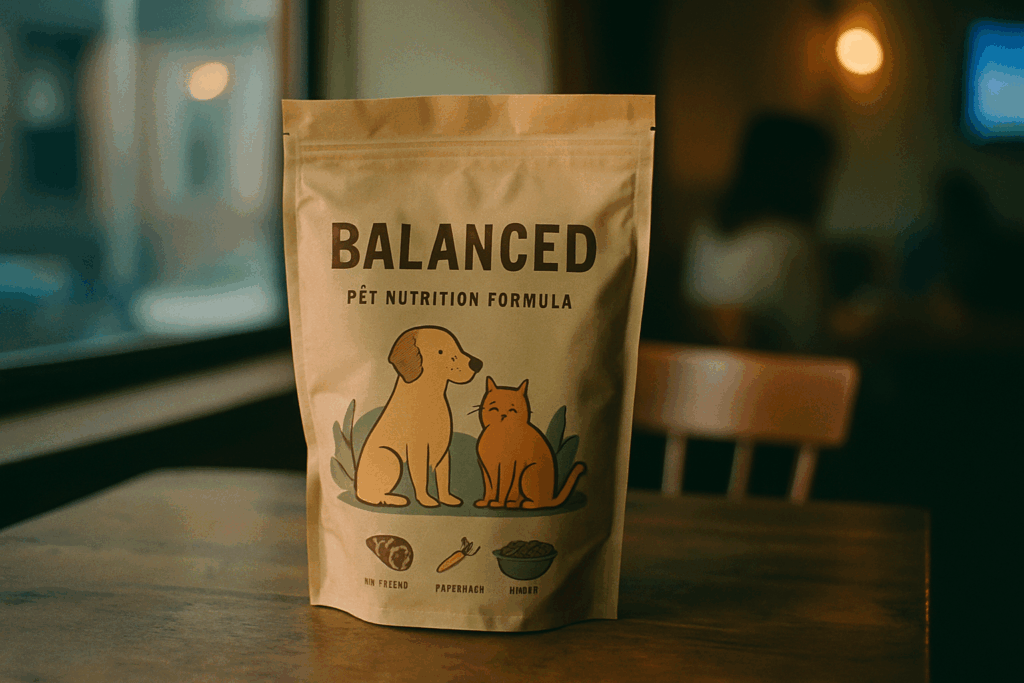
Start with the front of the package. It’s marketing turf designed to catch your eye, not inform. Words like “natural,” “premium,” and “gourmet” sound appealing, but they’re mostly fluff. These terms are not strictly regulated, which means brands can slap them on a bag without changing much about the actual product. “Natural” might still contain synthetic preservatives. “Gourmet” doesn’t mean high quality ingredients. “Premium” is just a fancier font.
On the flip side, some terms do mean something. “Complete and balanced” is one of them. It’s not just marketing this phrase is backed by AAFCO (Association of American Feed Control Officials) standards. It means the food has been formulated to meet a pet’s basic nutritional needs, either through lab analysis or feeding trials. If it’s a sole diet, this label matters.
Bottom line: ignore the shiny words and look for the ones with regulatory weight. Only then are you really reading the label.
Ingredient Lists: First Looks Can Be Deceiving
Reading a pet food label might feel straightforward, but it rarely is. Ingredients are listed by weight before processing. That part matters. It means that whole meats like “chicken” may sound impressive listed first, but they contain a lot of water. Once that moisture cooks off, there’s often much less actual protein left than you’d assume.
Now, here’s where it gets interesting: “chicken meal” might sound like mystery meat, but it’s actually more concentrated. Chicken meal is rendered, dried chicken minus the water so it often contains more usable protein per ounce than whole chicken. In terms of nutrition, it’s not about the label sounding cleaner. It’s about what the body actually absorbs.
Then there’s the loaded term: “by products.” Buzzword villain? Maybe. But not always deserved. Chicken by products, for example, can include organ meats like liver and heart, which are rich in nutrients and perfectly healthy. What they don’t include: beaks, feathers, or hooves. Those aren’t allowed in the definition. So while it’s easy to write off by products as filler, in many cases they’re more biologically appropriate than lean muscle meat alone.
Don’t take the label at face value know how to read it with a bit of skepticism and context.
Sneaky Ingredient Splitting Tricks

Pet food labels can be a minefield of half truths and clever obfuscation. One tactic that manufacturers often use? Ingredient splitting. This method helps make lower quality ingredients less noticeable, while highlighting others to appear more prominent than they actually are. Let’s take a closer look at how this works and what you can do to spot it.
Disguising Volume with Multiple Names
Ingredient splitting involves listing multiple forms of the same component separately, making it appear as though they make up a smaller proportion of the food.
Common example: corn, corn gluten meal, ground corn. By splitting the corn into separate entries, it moves each of them further down the list, masking the true total volume.
This can also happen with rice, soy, and wheat derivatives.
Result: It looks like there’s less of a filler ingredient, even though it’s still a dominant component of the formula.
Creating a Premium Illusion
Some brands group together several high value ingredients in small quantities to create the impression of a nutrient rich formula without necessarily reflecting significant amounts.
Example: Listing blueberries, spinach, carrots, and kelp one after the other.
These ingredients may only make up a tiny fraction of the total food.
They’re often included more for marketing than for nutritional impact.
Pro Tip: Look for placement. If these premium ingredients appear after salt (which is typically only 1% of the formula), the actual content is minimal.
Reading Between the Lines: Dry vs. Wet Food
Understanding how to interpret dry vs. wet food labels is essential, since water content distorts ingredient weighting.
Wet food lists ingredients that are heavy in moisture, so things like “chicken” may appear first due to water weight.
Dry food has ingredients listed based on pre processed weight making meals and concentrates more prominent.
Trick: A label may claim “real meat first,” but once dehydrated, that meat may contribute far less than a concentrated meal further down the list.
Stay Sharp
Ingredient splitting makes it harder to compare formulas but not impossible. If similar ingredients appear multiple times in one list, or nutritious items are packed near the bottom, dig deeper before you trust the branding.
Want a more detailed breakdown to decode labels with confidence? Start here: Understanding Pet Food Labels A Guide for Owners
The Role of AAFCO and What It Really Regulates
AAFCO the Association of American Feed Control Officials isn’t a regulatory agency, but it sets the nutritional guidelines most states follow. Pet food brands use AAFCO’s standards to formulate their products, meaning if a bag claims to meet “AAFCO nutrient profiles,” it’s designed to hit minimum nutritional targets for a specific life stage (like adult maintenance or puppy growth).
That said, don’t confuse compliance with quality. AAFCO standards outline the floor, not the ceiling. AAFCO compliant food meets basic nutritional needs it doesn’t mean the ingredients are high quality, species appropriate, or sourced responsibly. Also, AAFCO doesn’t inspect factories or test the food in every bag.
Here’s another common mix up: AAFCO doesn’t “approve” products. Brands can either formulate to meet nutrient profiles based on lab analysis or conduct feeding trials. Many take the first route, which is faster and cheaper. Both are allowed, but they’re not equal. Feeding trials add some assurance the food performs well in real animals but they’re not required.
Bottom line: AAFCO matters, but it’s just the start. Don’t let that label be your only benchmark for what’s good enough for your pet.
How to Get Smarter as a Pet Food Consumer
Before you toss that new bag of kibble into your cart, hit pause. Not every brand deserves a spot in your pantry or your pet’s bowl. A few simple questions can separate the good stuff from the junk.
Start here: Who formulates your food? If the brand can’t name a qualified pet nutritionist or vet on their team, that’s a red flag. Where are the ingredients sourced? Pay attention to vague answers “globally sourced” often means “we’re not telling you.” Ask about manufacturing too. Do they own their production facilities or outsource?
Then there’s the label itself. Buzzwords like “premium,” “holistic,” or “human grade” sound impressive, but most aren’t regulated. They’re marketing tools designed to hook your attention, not protect your pet. If a brand spends more time selling lifestyle than showing sourcing or testing data, move on.
Want to see through the spin? Dig deeper with this no nonsense pet label guide. It breaks down real vs. fluff, one term at a time.
Final Notes: Cutting Through the Hype
Don’t fall for the trap of equating price with quality. The most expensive bag on the shelf isn’t always the most nutritious or the most transparent. What matters more is where the ingredients are sourced, how they’re processed, and how the entire formula is constructed. A shiny label and a premium price mean nothing if the food inside is built on vague claims and marketing spin.
Start asking different questions. Is the protein source clearly named? Are by products defined or left ambiguous? How much control does the brand have over its supply chain and manufacturing? These are the real markers of a trustworthy pet food not whether the bag says “gourmet.”
If you want to dig deeper before your next purchase, take a look at this solid breakdown: pet label guide. It’s a smart, simple tool that cuts through the noise.
Be picky. Your pet deserves that much.