Faster, Smarter Diagnoses
Artificial intelligence is rapidly transforming the way veterinary professionals detect and diagnose illnesses. In 2026, machine learning is no longer experimental it’s central to improving accuracy and speed on the clinical floor.
How AI Reduces Time to Diagnosis
Machine learning models can now analyze patient data lab results, imaging, behavioral patterns in seconds, pinpointing disease markers that may be missed by the human eye.
Automated data analysis shortens diagnostic windows
Algorithms flag anomalies instantly, even from routine checkups
Faster results mean faster treatment, critical in emergency and chronic care cases
Real World Use Cases: Catching Illnesses Early
In busy veterinary practices, AI tools have begun identifying medical trends that signal chronic disease long before outward symptoms emerge.
AI detected early stage kidney disease in older cats by analyzing subtle changes in blood work patterns over time
Early detection of canine osteoarthritis via gait analysis videos processed through computer vision
These early insights allow vets to start treatment proactively, improving long term health outcomes with less invasive interventions.
Triage in Emergency Settings
Emergencies often present complex challenges under tight time constraints. AI is proving especially useful in triage by helping vets make smart decisions quickly.
Prioritization algorithms sort cases based on urgency using real time patient metrics
AI alerts staff to hidden red flags in symptoms that could indicate critical issues
Rapid initial assessments improve patient flow and reduce waiting times in high volume clinics
In short, AI doesn’t just enhance diagnostics; it redefines what fast, data backed veterinary care looks like in 2026.
Deeper Data, Better Outcomes
AI is fundamentally transforming how veterinary professionals understand, diagnose, and anticipate animal health conditions. With access to massive datasets and advanced learning models, AI is enabling insights that were previously out of reach.
Trained on Thousands of Case Histories
Modern AI models are now trained on extensive, anonymized veterinary records. This includes detailed case histories spanning various species, illnesses, treatments, and outcomes. The result is a level of context and pattern recognition that surpasses traditional methods:
Identification of subtle patterns missed by human observation
Recognition of rare or emerging conditions
More informed differential diagnosis, especially in complex cases
Expanding Clinical Perspective with Cross Species Diagnostics
One game changing aspect of AI is its ability to analyze data across species. This broad, comparative approach helps veterinarians:
Understand disease presentations in less researched or exotic animals
Apply insights from one species to another where appropriate
Improve care strategies through a wider lens of biological data
Predictive Analytics: Spotting the Invisible
Perhaps most promising is AI’s use in predictive modeling. Rather than reacting to symptoms, these systems help detect risks before they become visible, offering truly proactive veterinary care:
Early detection of chronic diseases such as diabetes or kidney issues
Alert systems for potential complications post surgery or during recovery
Strain specific immunization planning based on historical data trends
In 2026, AI isn’t just enhancing veterinary diagnostics it’s helping redefine what early intervention means.
Imaging Gets a Major Upgrade

AI is now stepping confidently into one of veterinary medicine’s most challenging arenas diagnostic imaging. Analyzing radiographs, ultrasounds, and MRIs used to be strictly the domain of specialists. Now, machine learning tools are scanning these images in seconds, flagging patterns and anomalies faster than many trained eyes.
In side by side comparisons, top tier AI models are showing diagnostic accuracy rates that rival sometimes exceed human performance. That doesn’t mean veterinarians are out of the loop. Instead, AI acts like a second set of eyes, catching what a busy professional might miss. Especially in complex internal cases abdominal shadows, orthopedic microfractures, subtle cardiac abnormalities AI sharpens the clarity and reduces the rate of misdiagnosis.
For clinics, the impact is real: fewer diagnostic delays, better informed treatment decisions, and ultimately, more consistent care outcomes. It’s not about replacing instinct or experience it’s about reinforcing it with precision at scale.
Benefits for Vets and Pet Owners
AI isn’t replacing veterinarians it’s sharpening their instincts. With machine backed insights, vets can approach tough calls with more certainty. When data models confirm a hunch or flag something subtle, there’s less second guessing and more decisive care.
Treatment plans are seeing a serious upgrade too. Instead of generic protocols, AI tools help tailor recommendations to the specific needs of each animal based on breed, history, and current patterns. It’s not about removing the human element; it’s about giving it better tools.
Communication with pet owners also gets a boost. The data isn’t just for the clinic backroom anymore. Now, visualizations and simplified summaries let vets break things down in a way owners actually understand. It means more trust, fewer misunderstandings, and smoother follow through at home. Everyone human and animal benefits when the facts are clear.
Challenges and Limitations
AI is moving fast, but it’s not a silver bullet especially in veterinary diagnostics. First up: data privacy. These systems need massive amounts of patient information to get smarter, which raises clear questions about how that data is collected, stored, and used. Privacy regulations are catching up, but not fast enough to guarantee full protection. Clinics diving into AI need to take ownership of that responsibility.
On top of that, there’s the human factor. AI can assist, highlight, and recommend but it can’t empathize, ask the follow up question, or intuit things the data might be missing. Vets still need to stay hands on and skeptical. Trusting the machine blindly isn’t just a bad idea it’s dangerous. AI should augment clinical judgment, not replace it.
And then there’s the money. Upfront costs for AI platforms, imaging tech, and integration with existing systems aren’t small. For smaller clinics, that barrier can stall adoption. It’s not just about buying the tech it’s training the staff and maintaining the systems too. This wave is powerful, but not every clinic is ready to ride it.
Where This Is Headed
We’re past theory AI in veterinary care is moving into daily use. One of the biggest shifts is integration into standard clinic software. Instead of hopping between siloed tools, vets are starting to use practice management systems that include built in AI diagnostics and data visualizations. It’s streamlining workflows and keeping more time focused on patients, not charts.
Remote care is also leveling up. AI guided telemedicine is filling a huge gap in rural and low access areas. With automated symptom checkers and diagnostic support, vets can provide better consultations even from afar. It’s not a perfect system yet, but it’s closing distance fast.
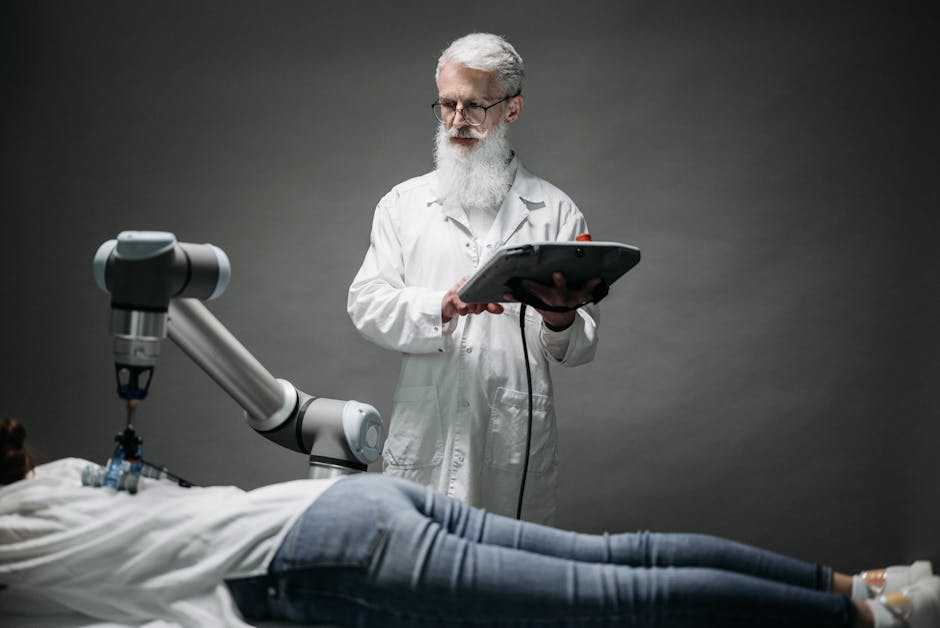
And yes, AI assisted surgeries are inching closer to reality. Think pre op planning tools that simulate outcomes or robotic instruments guided by real time analytics. We’re not handing the scalpel over just yet, but assistance not replacement is on the radar.
(For more innovations in the field, check out these veterinary medicine updates.)